
When natural disasters hit, distant observers often ask, “What can I actually do from my screen?” While the scale of devastation in Upper Assam feels overwhelming, direct citizen action, when targeted properly, delivers tangible aid on the ground.
Post-Flood Challenges & Long-Term Recovery
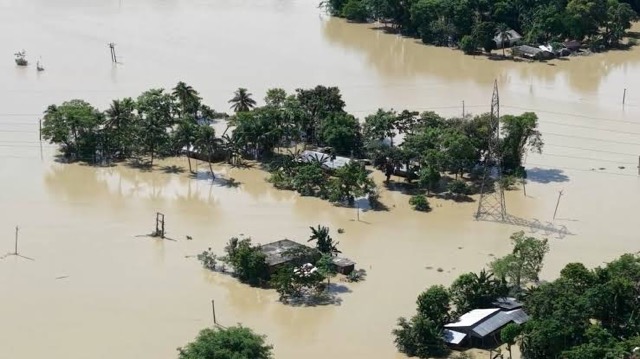
As floodwaters retreat across Upper Assam, the full scope of the disaster transitions from an emergency rescue operation to a complex, multi-month rehabilitation crisis.
1. Public Health Threats & Contaminated Water
The immediate aftermath of receding floodwaters presents a critical health hazard. Submerged tubewells and broken sewage networks have severely contaminated local drinking water sources across rural Sivasagar and Charaideo. State health departments are rushing halogen tablets, bleaching powder, and mobile medical vans to shelter camps to head off outbreaks of waterborne diseases like cholera, dysentery, and typhoid.
2. Destruction of Rural Livelihoods & Agriculture
With over 37,000 hectares of cropland inundated, thousands of smallholder farmers face total crop failure in the current Sali paddy season. In addition to lost harvests, silt deposits left behind by rivers like the Dikhou and Disang render agricultural plots uncultivable until extensive soil restoration takes place. Over 2.5 lakh livestock have been severely impacted, threatening rural milk and dairy production.
3. Replacing Lost Legal Documents & Rebuilding Homes
More than 2,200 homes have suffered structural collapse or partial damage. Chief Minister Himanta Biswa Sarma announced that alongside ex-gratia compensation and home repair aid, special administrative camps will be set up to issue duplicate land titles, ration cards, school textbooks, and identity documents swept away in the deluge.
4. The Path to Resilience: Transboundary Early Warning Systems
This disaster highlighted significant gaps in cross-border disaster communication. Because torrential cloudbursts in Nagaland’s hills flow rapidly into Assam’s low-lying plains within hours, both state governments have agreed to collaborate on integrated real-time hydrological monitoring. Upgrading aging earthen embankments to concrete-reinforced retaining structures and restoring natural river wetlands remain paramount to preventing similar flash flooding in future monsoon cycles.
How You Can Help – Action Steps & Relief Resources
Here is how you can support recovery efforts effectively:
1. Support Verified Relief Channels
Financial support remains the fastest and most transparent way to supply clean drinking water, dry rations, hygiene kits, and baby food to displaced families.
-
Chief Minister’s Relief Fund, Assam (Official Government Portal):
-
Account Name: Chief Minister’s Relief Fund Assam
-
Account Number: 35969660230 (State Bank of India, Secretariat Branch)
-
IFSC Code: SBIN0010755
-
UPI ID:
cmrfassam@sbi -
Official Portal: cm.assam.gov.in
(Note: All direct contributions to the CM Relief Fund qualify for tax exemption under Section 80G of the Income Tax Act).
-
-
Ground-Level Non-Profits: Organizations like Goonj, Seeds India, and local volunteer groups in Assam are actively distributing relief kits, dignity kits for women, and water purification units in shelter camps.
2. Postpone Non-Essential Travel to Affected Districts
If you are planning to travel to Assam or nearby Northeast routes, take note of current travel advisories:
-
Avoid Disaster Zones: Postpone all non-essential travel to affected districts including Sivasagar, Charaideo, Golaghat, Jorhat, Nagaon, and rural Kamrup.
-
Unclog Disaster Corridors: Unnecessary civilian traffic jams narrow access roads where NDRF trucks, military columns, and emergency medical supplies need priority movement.
-
Infrastructure Safety: Multiple road embankments, bridges, and rail lines have suffered structural erosion or debris blockage. Check official ASDMA and Indian Railways bulletins before planning essential travel across Assam.
3. Amplify Responsible & Verified Updates
Misinformation spreads rapidly during floods, causing panic or directing relief resources to incorrect locations:
-
Verify Before Sharing: Only amplify location distress calls or relief requests that contain verified contact numbers, timestamps, and specific district names.
-
Follow Official Channels: Rely on the Assam State Disaster Management Authority (ASDMA) and official district administration handles for real-time updates on water levels and road closures.