
Travelling the world sounds expensive, but it does not always have to be. Flights, hotels, food and activities can quickly add up, making travel feel impossible for people with a limited budget. However, if you are willing to be flexible, learn useful skills and think beyond traditional holidays, there are several ways to significantly reduce your travel expenses.
The truth is that completely free travel is rare. You may still need money for visas, insurance, local transport, food and personal expenses. But learning how to travel for free can help you find opportunities where accommodation, transport or even parts of your travel experience are covered in exchange for work, skills, content or other contributions.
From volunteering and house sitting to travel partnerships and reward points, here are some realistic ways to travel without spending a fortune.
1. Volunteer in Exchange for Accommodation and Food
One of the most popular ways to learn how to travel for free is through volunteer exchange programmes.
Many hostels, farms, homestays and community projects offer accommodation in exchange for a few hours of work. Depending on the arrangement, food may also be included.
You may help with:
- Hostel reception
- Social media
- Gardening
- Farming
- Photography
- Housekeeping
- Teaching languages
- Event support
Platforms that connect volunteers and hosts can make it easier to find opportunities around the world.
Before accepting any opportunity, carefully check the working hours, accommodation conditions, food arrangements, visa requirements and reviews from previous volunteers.
2. Try House Sitting
House sitting can be one of the most useful ways to reduce accommodation costs while travelling.
Homeowners who are away may need someone to stay in their home, look after pets, water plants or simply ensure the property remains occupied.
In exchange, the house sitter usually receives free accommodation.
This can be particularly valuable in expensive destinations where hotel prices are high.
However, house sitting is a responsibility, not a free holiday. You may be responsible for pets, property maintenance and following the homeowner’s instructions.
Build a trustworthy profile, collect references and always communicate clearly before accepting a house-sitting arrangement.
3. Use Your Professional Skills
One of the smartest answers to how to travel for free is to take your skills with you.
If you can provide something valuable, you may be able to exchange your work for accommodation, experiences or travel opportunities.
Useful skills can include:
- Photography
- Videography
- Writing
- Social media management
- Graphic design
- Web development
- Teaching
- Yoga instruction
- Translation
- Marketing
- Event management
For example, a small hotel may need photographs and videos for its social media. A hostel may need help creating content. A tourism company may need a writer.
The important thing is to offer genuine value.
Do not simply message businesses asking for a free stay. Show them exactly what you can contribute.
4. Become a Travel Content Creator
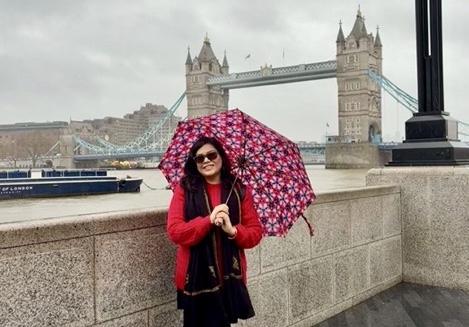
Content creation can create opportunities for sponsored and hosted travel, although it is important to understand that this usually takes time.
Hotels, tourism boards and travel brands may collaborate with creators who can produce useful content and reach the right audience.
You do not necessarily need millions of followers.
A smaller creator with a clearly defined niche and an engaged audience may still be valuable to a brand.
Build a portfolio that shows:
- Your photography or videography skills
- Your writing style
- Audience demographics
- Engagement
- Previous collaborations
- Content examples
- Website or social media reach
If you want to know how to travel for free through content creation, focus first on becoming someone who can genuinely help a destination or hospitality business market itself.
5. Look for Press Trips and Media Opportunities
Travel writers, journalists, bloggers and creators may sometimes receive invitations for press trips.
These trips may cover accommodation, activities, local transport and sometimes flights. The exact arrangements vary.
In return, participants may be expected to produce articles, social media content, photographs, videos or other coverage.
Build credibility before pitching.
Create published work, develop your travel portfolio and understand what you can offer a destination or tourism organisation.
Professional communication is also important. A well-prepared media kit and clear pitch can make a significant difference.
6. Earn and Redeem Travel Reward Points
Travel rewards may not make everything free, but they can significantly reduce the cost of flights and hotels.
Depending on the programmes available to you, you may earn points through:
- Airline loyalty programmes
- Hotel loyalty programmes
- Credit card rewards
- Shopping partnerships
- Promotional offers
The key is to understand the rules before spending money simply to earn points.
Never overspend or take on unnecessary debt for travel rewards.
Think of points as a way to make your existing spending more useful rather than a reason to spend more.
7. Work at a Hostel
Hostels around the world often hire short-term staff or accept work exchanges.
You may receive free accommodation in exchange for helping with reception, cleaning, events, social media or other tasks.
This can also be a great way to meet other travellers.
However, ask important questions before agreeing:
- How many hours will you work?
- What type of room will you receive?
- Is food included?
- How many days off will you have?
- Are there any visa requirements?
A “free stay” is not always a good deal if the working conditions are unreasonable.
8. Teach While Living Abroad
Teaching can provide an opportunity to live and travel in another country.
Depending on your qualifications and the destination, opportunities may include teaching English, tutoring, working in schools or providing specialised training.
Some jobs may provide accommodation or a housing allowance.
Requirements vary significantly by country, so always check official visa and employment rules before accepting a position.
9. Travel Through Work

Instead of asking how to travel for free, consider finding work that naturally includes travel.
Certain careers involve regular travel, including:
- Travel writing
- Journalism
- Tourism
- Aviation
- Event management
- Photography
- Consulting
- International sales
- Cruise work
- Tour operations
Some jobs may cover transport and accommodation when you travel for professional reasons.
The travel may not always feel like a holiday, but it can allow you to see places you might otherwise struggle to afford.
10. Exchange Your Home
If you own or have permission to exchange your home, home exchange can significantly reduce accommodation expenses.
Two people agree to stay in each other’s homes for an agreed period.
This can be especially useful for longer stays.
However, make sure you understand insurance, property rules and platform policies before participating.
11. Join Competitions and Travel Giveaways Carefully
Travel brands, airlines, tourism boards and hotels occasionally organise legitimate giveaways.
You may win flights, accommodation or complete holiday packages.
However, be cautious.
Never pay an unexpected fee to claim a prize. Verify that the competition is being run by an official account and read the terms and conditions.
Treat giveaways as an opportunity, not a guaranteed travel strategy.
12. Travel With Friends and Share Costs
This is not technically free travel, but it can make a major difference.
Sharing accommodation, taxis, rental cars and groceries can significantly reduce individual expenses.
For example, renting an apartment for four people may cost much less per person than booking four separate hotel rooms.
Travelling with friends can also make certain destinations more accessible by allowing you to split major costs.
13. Find Cultural and Educational Exchanges
Cultural exchange programmes, scholarships, conferences and educational opportunities can sometimes cover travel-related expenses.
Students, researchers, artists and professionals may find grants or funded opportunities to attend programmes internationally.
Look for opportunities connected to:
- Universities
- Cultural organisations
- Professional associations
- Research institutions
- International conferences
- Fellowships
These opportunities usually require applications, qualifications or specific experience, but they can combine professional development with international travel.
14. Use Volunteering Opportunities Responsibly
Volunteering abroad can be meaningful, but it is important to research organisations carefully.
Avoid programmes that charge large fees without clearly explaining where the money goes. Be particularly cautious about opportunities involving vulnerable children or wildlife.
Responsible volunteering should benefit the local community and should not replace paid local jobs.
Before joining, research the organisation, ask detailed questions and look for independent reviews.
Free travel should never come at the cost of exploiting a community or creating harm.
15. Build a Lifestyle That Makes Travel More Affordable
Perhaps the most sustainable answer to how to travel for free is not finding one magical free trip.
It is slowly building a lifestyle where travel opportunities become easier to access.
Develop valuable skills.
Build professional connections.
Create a portfolio.
Join relevant communities.
Learn how to find affordable flights.
Use loyalty programmes wisely.
Travel slowly when possible.
Be flexible with destinations.
Over time, travel can become less about spending huge amounts of money and more about finding creative opportunities.
Important Things to Remember Before Trying to Travel for Free
Before accepting any free travel opportunity, always check what is actually included.
Ask:
- Are flights covered?
- Is accommodation covered?
- Are meals included?
- What work is expected from you?
- Do you need a specific visa?
- Is travel insurance your responsibility?
- Are there hidden costs?
- Is the organisation legitimate?
Read agreements carefully.
A “free trip” can become expensive if you are responsible for several costs that were not mentioned initially.
Is It Really Possible to Travel for Free?
Yes, but usually not in the way social media makes it appear.
Most people who travel for free are exchanging something for the opportunity.
They may be exchanging:
- Time
- Skills
- Work
- Professional expertise
- Content
- Home access
- Loyalty points
There is nothing wrong with that.
You do not need to be rich to see the world, but you may need creativity, flexibility and patience.
Read: How To MANIFEST Your DREAM TRIP? I Manifested MINE & How
Learning how to travel for free is really about understanding that money is not the only thing you can exchange for an experience.
Your skills have value.
Your time has value.
Your professional knowledge has value.
Your ability to create useful content has value.
Start by identifying what you can offer. Then look for genuine opportunities where your contribution can help someone while reducing your travel costs.
You may not be able to make every trip completely free, but even getting accommodation, experiences or flights covered can make a huge difference.
The world may still require a budget, but with the right skills, connections and approach, travelling can become far more accessible than you imagined.
Also read: Fantastic Travel Preparation Hacks for a Stress-Free Trip